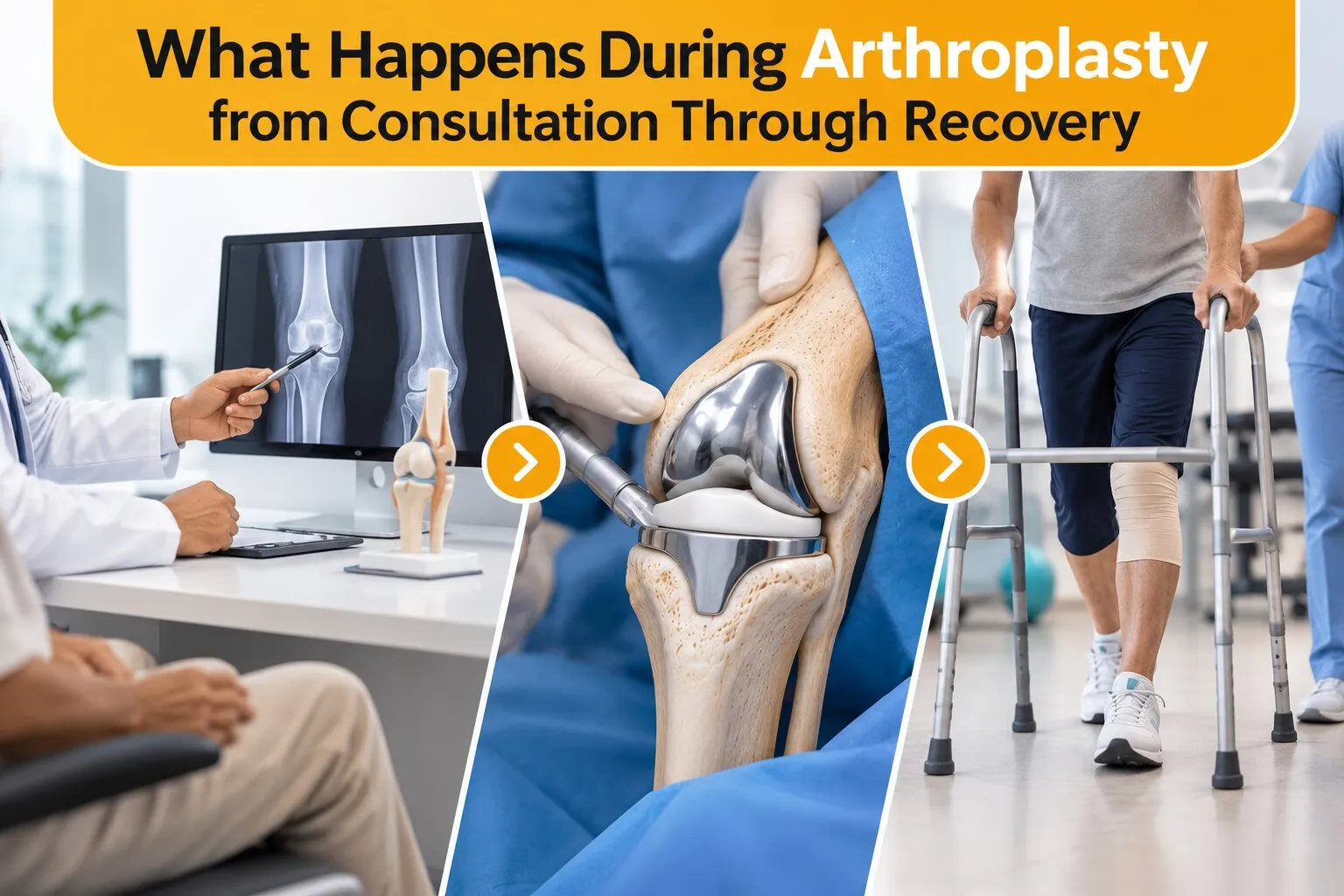
You need to know what happens before, during and after joint-replacement surgery, not just what appears on an X-ray. By the end, you will understand the tests, treatment choices, preparation, hospital milestones, rehabilitation work, warning signs and local planning questions that shape a safe decision.
Key takeaways
- Expect symptom, movement, imaging and fitness checks at consultation.
- Compare implant options, hospital support, surgeon experience and follow-up access.
- Arrange medicines, home help, transport and exercises before surgery day.
- Report fever, wound drainage, calf swelling, chest pain or breathlessness urgently.
What is assessed at the first arthroplasty consultation?
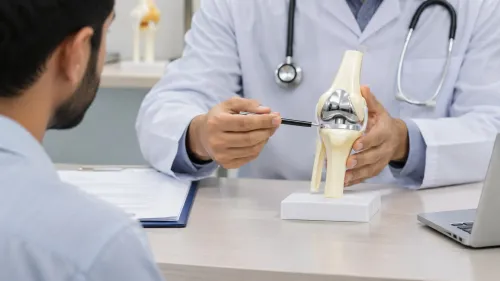
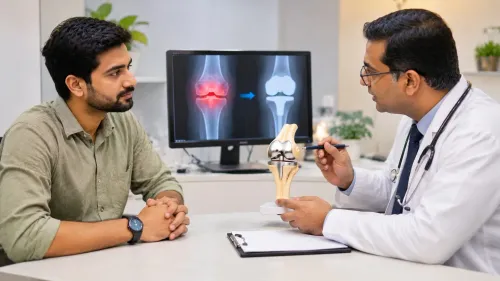
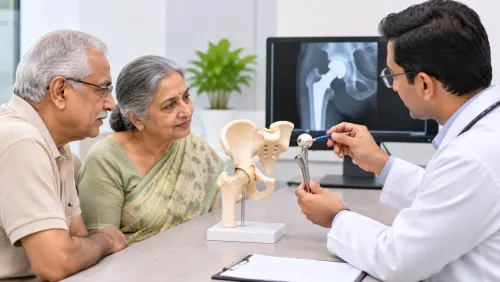
At the first visit, what happens during arthroplasty in Dhanori is a structured assessment of symptoms, function, joint damage and surgical fitness—not an automatic decision to operate.
1. You describe pain location, duration, stiffness, walking distance, sleep disruption, work limitations and affected daily activities. Tell the surgeon about previous physiotherapy, injections, pain medicines, allergies, medical conditions and earlier operations.
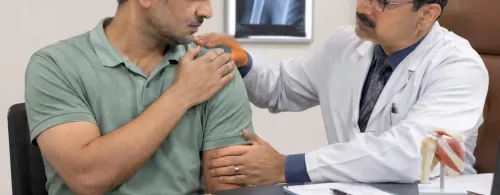
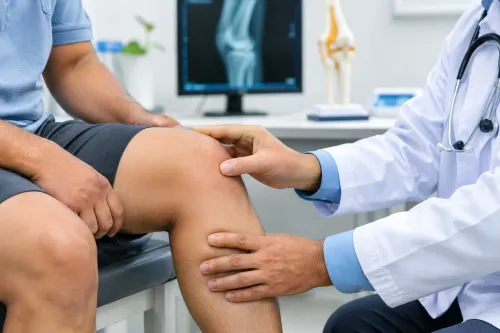
2. The examination includes walking pattern, limb alignment, swelling, joint stability, muscle strength and range of motion. These findings show whether symptoms match the suspected joint problem.
3. Standing X-rays show the joint under weight-bearing conditions. Alignment views show the relationship between the limb bones and help plan component positioning. An X-ray alone does not decide on surgery; symptoms, examination and function must match the images.
4. Preoperative tests can include blood counts for anaemia, infection-risk markers, kidney-function tests and glucose or HbA1c for diabetes. An ECG assesses the heart, urine testing is ordered when indicated, and medical clearance addresses heart, lung or other conditions.
During an arthroplasty consultation in Pune, the surgeon compares continued medication, physiotherapy or injections with replacement and considers whether no operation is appropriate. Ask for a second opinion when the diagnosis, timing or proposed procedure is unclear.
How do you compare replacement options and choose a Dhanori or Pune provider?
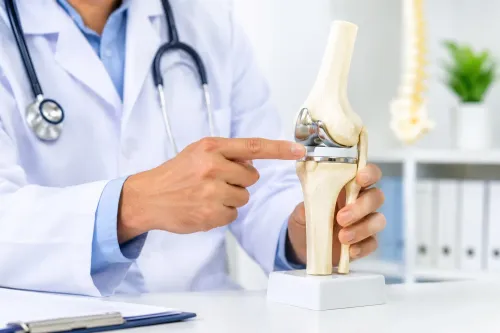
Partial knee replacement fits disease confined to one compartment, with intact ligaments and suitable alignment. Widespread arthritis, inflammatory disease or ligament damage favours total knee replacement. Doctors also consider pain, function, age, bone strength, activity and diagnosis before recommending surgery.
| Option | What it involves | When it applies |
|---|---|---|
| Partial knee replacement | Replaces one knee compartment | Localised disease with stable ligaments and suitable alignment |
| Total knee replacement | Replaces damaged knee surfaces | Widespread arthritis or ligament damage |
| Total hip replacement | Replaces the femoral head and socket | Advanced hip disease affecting both surfaces |
| Hip resurfacing | Caps the femoral head while preserving more bone | Selected patients with strong bone and suitable anatomy |
| Conservative care | Medicines, physiotherapy or injections | Symptoms remain manageable or replacement is premature |
Arthroscopy does not replace a severely worn joint; fracture fixation repairs broken bone, while injections and medicines manage symptoms. Replacement is premature when pain and disability remain tolerable or non-operative care still works. Resurfacing is unsuitable with poor bone quality, severe deformity, or certain fractures and diseases.
For an arthroplasty surgeon near Viman Nagar or in Dhanori, compare hospital facilities, surgeon and anaesthesia experience, implant choices, physiotherapy coordination, follow-up and complication management. An arthroplasty consultation in Pune should cover alternatives, implant brand and model, fixation, risks, revision risk, restrictions, follow-up and a written estimate. Carry reports, scans, medicine lists and discharge summaries.
Discuss these points with DR. DEEPAK MUNDE ORTHOPAEDIC SURGEON 08048032510.
Related services
Arthroplasty Surgeon In Dhanori,Pune Arthroplasty Surgeon In Dhanori,Pune Dr Deepakmunde is A Reliable and Best Arthroplasty Surgeon in Dhanori and Pune. View service → |
Joint Replacement Surgeon In Dhanori,Pune Joint Replacement Surgeon In Dhanori,Pune Dr Deepak Munde is A Reliable and Best Joint Replacement Surgeon in Dhanori and Best Joint Replacement Surgeon in Dhanori PUNE. View service → |
How should you prepare for the operation and what happens on surgery day?
The arthroplasty process Dhanori patients undergo starts with scheduling, written medication instructions and home planning. Follow the operating team’s directions for blood thinners, diabetes medicines and every prescription; never stop aspirin or an anticoagulant independently.
Improve blood-pressure and glucose control, stop smoking, treat anaemia or poor nutrition, and complete dental or other infection treatment when required.
1. Before admission, arrange transport, a caregiver, time away from work, prepared meals and bathing help. Set up raised toilet equipment, a firm chair and a clear walking route without loose rugs or obstacles.
2. On admission, staff confirm your identity, allergies, medicines, the joint and planned procedure, then verify consent. The anaesthetist explains spinal, general, or combined regional and local pain control. Antibiotics are timed before incision.
3. In theatre, the surgeon positions and prepares the joint, removes damaged cartilage and bone or resurfaces it, places the implant components, and selects cemented or uncemented fixation when appropriate. The team checks movement and alignment, closes the wound and transfers you to the recovery room.
Ask which implant design, fixation method and expected durability apply to your case. Recovery-room staff then monitor your breathing, blood pressure, pain, circulation and wound.
What happens in hospital before you go home?
Before discharge, the team looks for safe progress rather than a fixed number of hospital days.
1. Nurses and doctors check pain, nausea, blood pressure, the wound dressing, circulation and sensation in the operated limb. Blood-clot prevention combines early movement with the prescribed anticoagulant or other antithrombotic plan. Do not start, stop or substitute aspirin or another blood thinner without instructions.
2. Nurses monitor urination, constipation, hydration and wound drainage. Difficulty passing urine, persistent vomiting or increasing drainage needs attention before discharge.
3. A physiotherapist teaches ankle pumps, breathing and circulation exercises, quadriceps sets after knee surgery, or hip exercises after hip surgery. You practise moving safely from bed to chair and using the toilet, then walk with a frame or crutches.
4. You practise turning, sitting and standing. If your home has stairs, practise those with the physiotherapist before leaving.
5. Discharge or transfer depends on stable observations, manageable pain and nausea, safe mobility, urination, a satisfactory wound and reliable support at home.
6. Confirm who coordinates medicines, equipment, physiotherapy, follow-up appointments and complication management. Take written instructions covering wound care, exercises, weight-bearing, bathing, driving, medicines and emergency contacts.
What should recovery look like during the first six weeks and later months?
The first 24 hours of joint surgery recovery in Dhanori usually involve swelling, stiffness, disrupted sleep and assisted walking. Use the prescribed frame, perform the exercises taught in hospital, and follow the ice or elevation instructions. Early movement supports circulation, but it does not mean you are ready for independent activity.
During the first two weeks, prioritise wound care, ankle pumps, quadriceps or hip strengthening, safe bed-to-chair and toilet transfers, short frequent walks and home exercises. Arrange transport for review appointments. Do not drive until the surgeon confirms adequate leg control, reaction time and safe entry and exit from the vehicle.
Around six weeks, you may be progressing from a walker or crutches to a cane, improving knee bending and full straightening, or developing a steadier hip gait. Daily activities often become more manageable, but work timing depends on the operation, commute and job demands.
Later months bring further gains in strength, balance and endurance through outpatient physiotherapy and regular exercise; impact restrictions vary by procedure. Budget for unpaid leave, bathing and cooking help, stairs, a raised toilet seat, transport and completing exercises even when progress feels slow.
Which symptoms require urgent contact after arthroplasty?
Swelling, bruising, stiffness, incision tenderness and pain after exercise can occur during early healing; worsening symptoms need action.
| Symptom or finding | What to do |
|---|---|
| Expected swelling, bruising, stiffness or incision tenderness | Follow your elevation, ice, walking and medication instructions. |
| Increasing redness, warmth, wound opening, drainage or fever | Contact the surgical team promptly; these may indicate infection. |
| New calf swelling or pain | Seek urgent medical assessment for a possible deep-vein thrombosis. |
| Sudden breathlessness, chest pain or coughing blood | Call emergency services immediately; these can signal pulmonary embolism. |
| Sudden severe pain, inability to bear weight, new weakness or numbness | Contact the surgical team urgently. |
| A hip that feels displaced | Do not walk on it; seek emergency care because dislocation requires urgent treatment. |
If physiotherapy causes pain, stop the movement that provoked it. Use the prescribed rest, ice or medication plan, then ask whether the exercise needs modification; do not abandon rehabilitation or double the next session.
Keep every follow-up. Stiffness, infection, loosening, instability, wear or fracture can require treatment or revision surgery. Before discharge, ask who answers after-hours calls and which emergency department to use.
Frequently asked questions
What is assessed at the first arthroplasty consultation?
The surgeon reviews your pain, daily function, joint movement, previous treatment, X-rays or other imaging, medical history and fitness for anaesthesia.
How do you compare arthroplasty options and choose a provider in Dhanori or Pune?
Ask about the recommended joint replacement, implant materials, surgical approach, risks, hospital facilities, rehabilitation plan, total fees and follow-up arrangements.
What happens on arthroplasty surgery day?
You complete admission checks, meet the anaesthesia team, confirm the operation site, receive anaesthesia and undergo joint replacement followed by monitoring and early mobilisation.
What happens during the first six weeks after arthroplasty?
You manage pain and the wound, walk with prescribed support, complete physiotherapy, prevent blood clots and attend follow-up while gradually increasing activity.
Which symptoms require urgent contact after arthroplasty?
Contact your surgical team urgently for fever, worsening redness, pus or persistent wound drainage, severe calf swelling, sudden pain, chest pain or breathlessness.
Related services
Hip Joint Replacement Specialist In Dhanori Pune Hip Joint Replacement Specialist In Dhanori Pune Dr Deepak Munde is A Reliable and Best Hip Joint Replacement Surgeon in Dhanori and Best Hip Joint Replacement Surgeon in Dhanori PUNE. View service → |
Knee Replacement Surgeon In Dhanori,Pune Knee Replacement Surgeon In Dhanori,Pune Dr Deepak Munde is A Reliable and Best Knee Replacement Surgeon in Dhanori and Best Knee Replacement Surgeon in Dhanori PUNE. View service → |
Keywords